I want to thank Columbia University and the members of the Board of the Maria Moors Cabot Award for this prestigious recognition. It is indeed a great honor, which like no other, has a very special, and intimate, meaning for me.
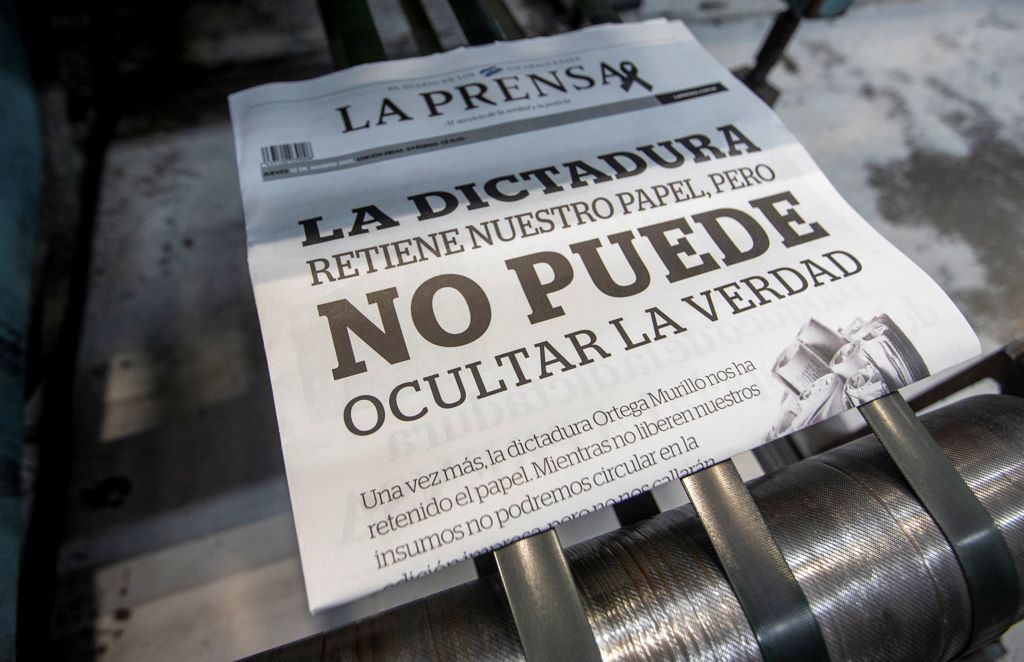
Thirty-three years ago my father Pedro Joaquín Chamorro, director of Diario La Prensa in Nicaragua, a combatant newspaper legendary in Latin America for fighting the Somoza dynasty, received this award. That day, Elie Abel, then dean of the Columbia School of Journalism, said: “if there is a journalist in the hemisphere who has been more consistent in his opposition to dictatorial government than Dr. Pedro Chamorro, we have not been able to find him”. And upon giving him the Gold Medal, William J. McGill, Columbia University’s president, exclaimed: “What you have been able to do in the most difficult of circumstances confer an honor on the human race that we are proud to acknowledge”.
Two months later, my father was killed by gunmen loyal to the Somoza dictatorship. His death opened the way of redemption for Nicaraguans and changed the country's history. In the midst of my deepest pain, it also changed the course of my life. I put aside my aspirations to pursue a career as an economist, to devote myself to journalism. And here I am now receiving the same award, in a sort of relay race, hoping it will inspire new generations of journalists in my country.
I accept it with humility and enthusiasm, renewing my commitment to the memory of my father, who is still my first inspiration.
I especially want to thank my wife Desiree, and my sons Roberto, Luciana, and Andrés, all here with me tonight, for the moral support they have always given in moments of great adversity.
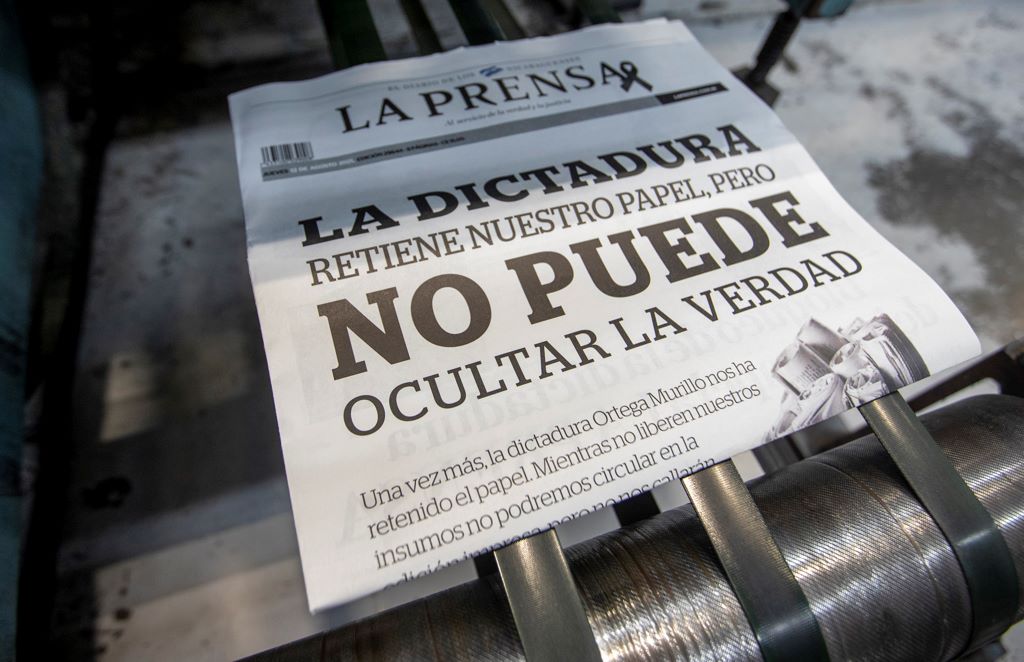
Allow me to praise the example of my mother Violeta Chamorro, who is represented here by my two sisters. As president of Nicaragua from 1990 until 1997, she set the foundations for freedom of the press which today is being haunted by authoritarianism.
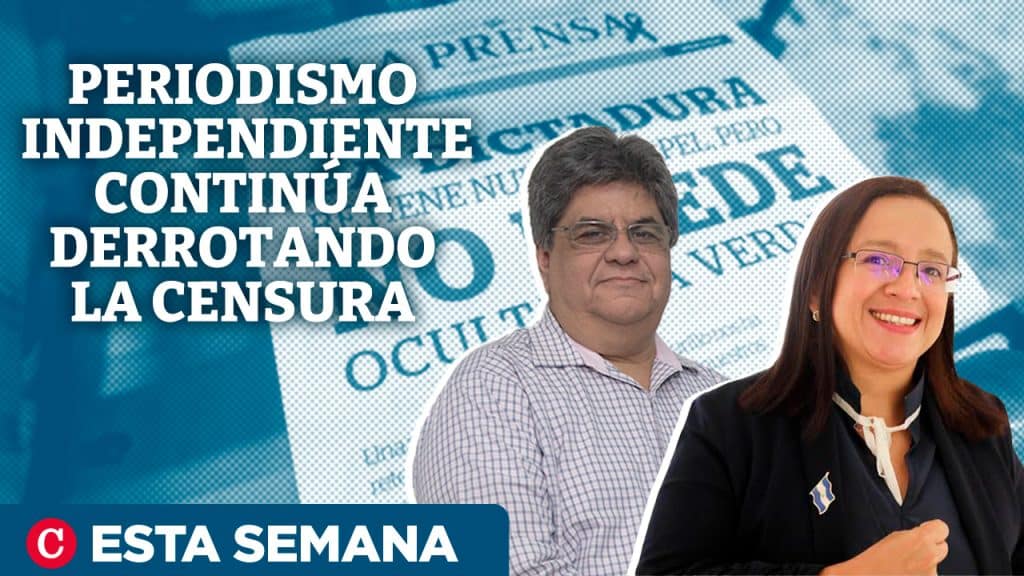
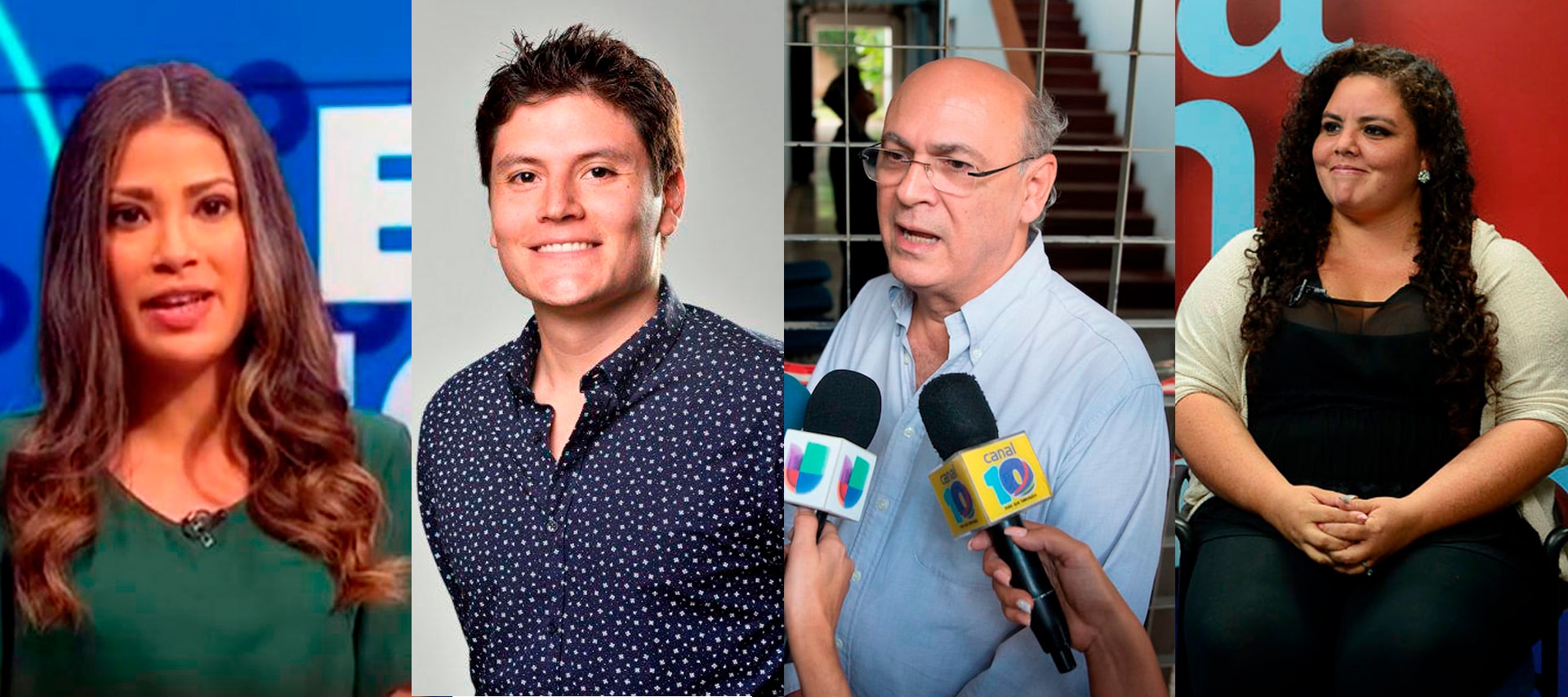
I share this award with my colleagues at our TV news programs Esta Semana and Esta Noche, our weekly and website Confidencial and Cinco, all of whom have been protagonists in this adventure that has become the practice of a free press, despite the climate of official secrecy under which we work in Nicaragua.
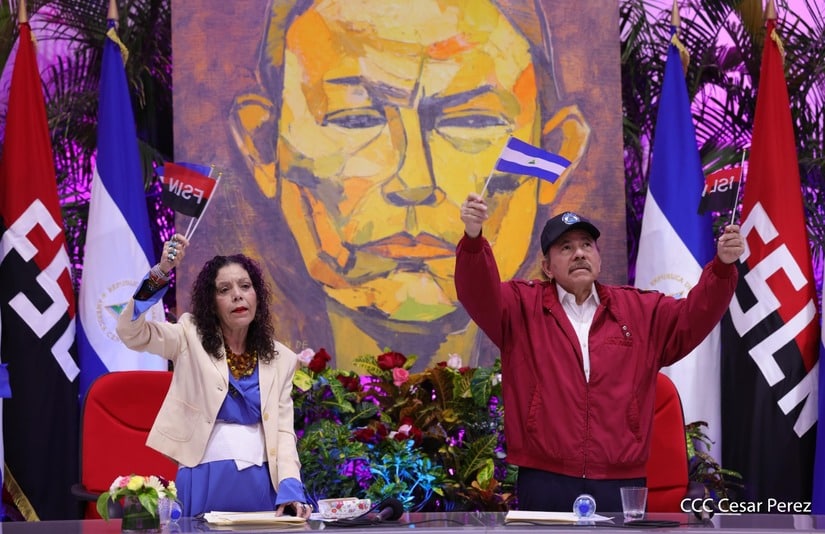
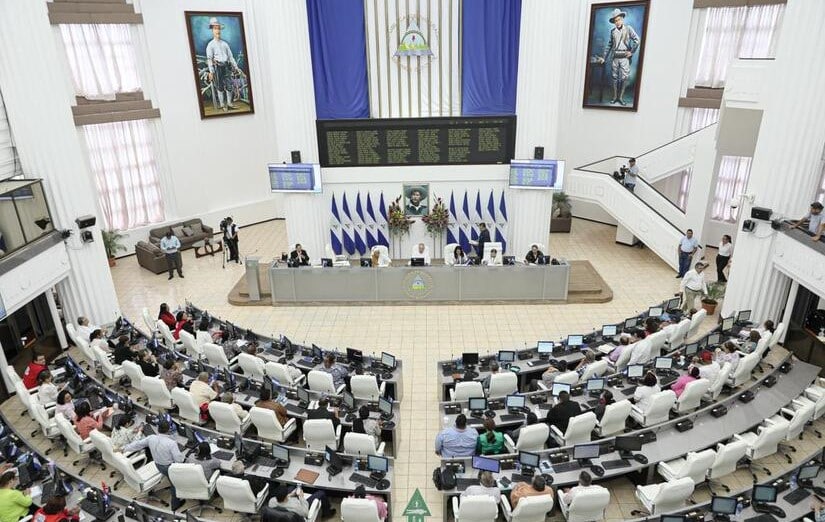
In Latin America, journalism is still a highly risky profession. The assassinations of journalists in countries like Mexico and Honduras need to be firmly condemned by us all. It is our obligation not to let them be forgotten, least of all go unpunished. In my country the threat of physical repression is less severe than elsewhere in the region, but there are other equally lethal threats to democracy. Institutionalized violence, electoral fraud, violations of the Constitution and intimidating the press are the government’s weapons to remain in power. In countries such as mine, where a coup from above is being implemented, when all institutions collapse, a free press emerges as a safeguard of democratic society. I have also the deepest conviction that democracy and freedom of expression are indispensable in the struggle against poverty and social inequality.
This award gives us all in Nicaragua -journalists and citizens alike- an enormous responsibility. I share it with all those colleagues committed to an independent and critical press; they who have taken, and continue taking, risks to defend freedom of the press. And I also share the Maria Moors Cabot award with all citizens who are, at the end of the day, the guardians of free speech in my country; those who give us their trust and speak when others remain silent; those who share with us their tragedies and their hopes; their day-to-day stories, our bread-and-butter: the news.
Muchas gracias y buenas noches